When buying heating tubes, "how long they last" is one of the most concerned questions—can a water dispenser’s heating tube last 3 or 5 years? Why do some industrial heating tubes fail in 1 year while others run stably for 30,000 hours? The answer lies in "lifespan testing." As a core indicator of heating tube quality, lifespan testing directly reflects product durability and stability. Today, we’ll explain the standards, process, and key influencing factors of heating tube lifespan testing.
1. First, Understand: What Exactly Does Heating Tube Lifespan Testing Measure?
Simply put, heating tube lifespan testing (also known as "durability testing") simulates real-world usage scenarios. Through continuous operation, repeated start-stop cycles, and other methods, it detects the stable working duration of heating tubes under specified conditions and the threshold of performance degradation or failure.
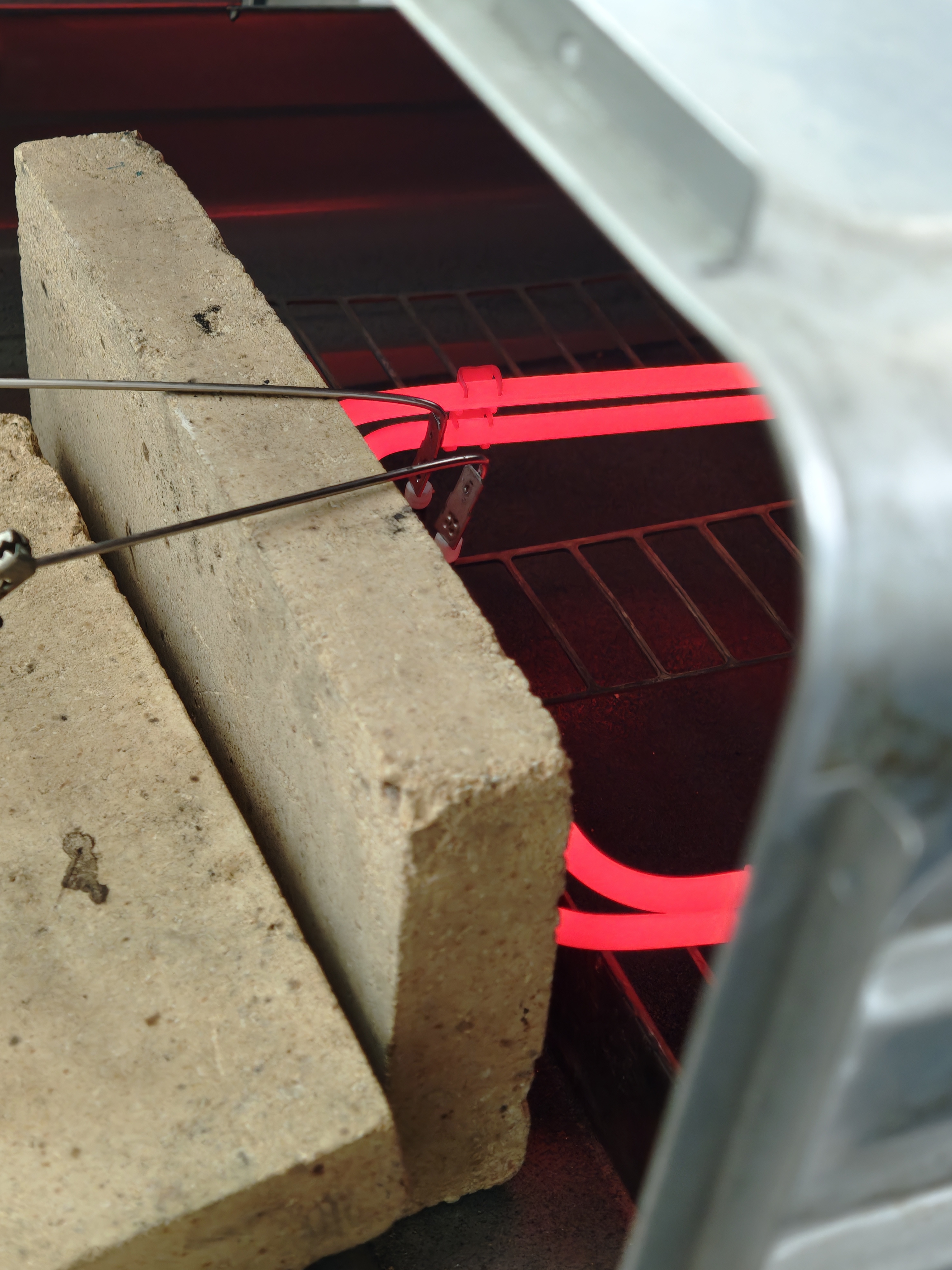
There are 3 core test objectives:
- Determine the "rated lifespan": The cumulative working time a heating tube can maintain normal heating functions under standard operating conditions (e.g., rated voltage, rated power, conventional medium). Industry reference values: Civilian models ≥ 10,000 hours; industrial models ≥ 20,000 hours.
- Observe performance degradation: Monitor parameters such as heating efficiency, surface temperature uniformity, and insulation resistance during testing to determine if there is a significant decline.
- Identify failure causes: Record specific failure manifestations (e.g., heating wire burnout, tube corrosion, insulation layer aging) to provide a basis for product optimization.
2. Full Lifespan Test Process: 4 Steps to Simulate "Extreme Usage Scenarios"
Lifespan testing by regular manufacturers is not just "keeping it powered on and heating continuously." Instead, it strictly follows industry standards (e.g., GB/T 23150, IEC 60335) and simulates real working conditions in 4 steps to ensure accurate and reliable test results:
- Test Sample Preparation: Select 3-5 heating tubes of the same model and batch. Pre-test initial parameters (e.g., resistance value, insulation resistance, appearance integrity) to ensure no factory defects. Prepare test media according to usage scenarios (e.g., clean water, oil, air for water dispenser heating tubes, industrial oil heating tubes, dry-burning tubes).
- Operating Condition Setting: Set test conditions based on the product’s rated parameters (rated voltage, power) and actual usage environment. For example:
- Civilian water dispenser heating tubes: Simulate "heating-insulation-power-off" cycles (heat to 95℃, insulate for 30 minutes, power off for 10 minutes, repeat).
- Industrial dry-burning tubes: Simulate high-intensity conditions of "continuous high-temperature operation + 3 start-stop cycles per day."
- Continuous Testing & Monitoring: Connect the heating tube to specialized test equipment and record data continuously after startup:
- Test heating efficiency (whether heating speed decreases) and insulation resistance (whether it meets the safety standard ≥ 1MΩ) every 200 hours.
- Inspect tube appearance (for rust, deformation, leakage) every 1,000 hours.
- Record abnormalities throughout (e.g., tripping, uneven heating, sudden power drop).
- Test Termination & Result Evaluation: Stop the test if any of the following conditions are met:
- The heating tube completely fails (e.g., no heating, electric leakage, heating wire burnout).
- Performance degradation exceeds the threshold (heating efficiency drops by ≥ 20% or insulation resistance falls below the safety standard).
- The preset test duration is reached (e.g., civilian models run for 10,000 hours, industrial models for 30,000 hours without failure—judged as qualified). |
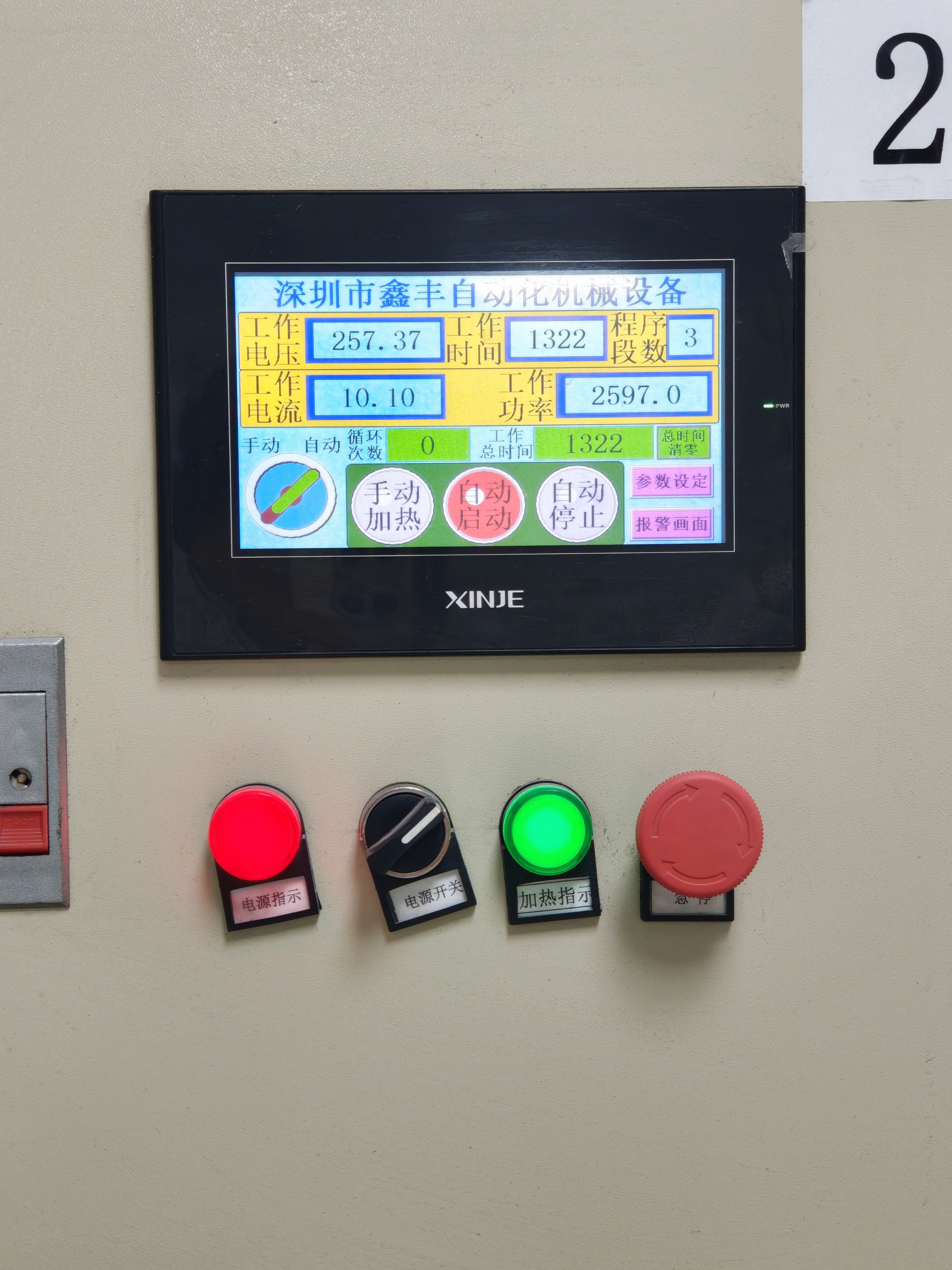
3. 3 Key Factors That Directly Determine Heating Tube Lifespan
Test data shows that a heating tube’s service life is not fixed. It is mainly affected by 3 factors, which are also key to judging quality when purchasing:
- Material & Craftsmanship:
- Heating wire: Nickel-chromium wire (Ni80Cr20) is more high-temperature resistant and fatigue-resistant than iron-chromium wire, extending lifespan by over 50%.
- Tube material: SUS316 stainless steel is more corrosion-resistant than SUS304, suitable for humid, acid-alkali environments.
- Craftsmanship: The filling density of magnesium oxide powder inside the tube and the quality of sealing processes affect insulation and heat dissipation, thereby influencing lifespan.
- Matching Degree with Operating Conditions:
- Power density: Excessively high power density (e.g., high power with small tube volume) causes local overheating, accelerating heating wire aging.
- Medium compatibility: Using dry-burning tubes in water-contact scenarios leads to rust; using water-contact tubes for dry burning causes burnout. Mismatched conditions drastically shorten lifespan.
- Voltage stability: Frequent voltage fluctuations increase electrical stress on the heating wire, accelerating breakage.
- Maintenance & Environment:
- Civilian scenarios: If water dispenser heating tubes are not cleaned regularly, scale buildup covers the tube, resulting in poor heat dissipation. Lifespan may decrease from 5 years to 2 years.
- Industrial scenarios: High temperature, high humidity, and corrosive gas environments accelerate tube corrosion. Protective measures (e.g., anti-corrosion coatings, sealing designs) are required.
4. Must-Know for Consumers/Buyers: How to Choose Durable Heating Tubes via Test Data?
- Check the rated lifespan label: Regular products clearly mark "rated lifespan" (e.g., "≥ 12,000 hours") in parameters. Avoid products with no or vague labels.
- Check material configuration: Prioritize products with nickel-chromium heating wires + SUS304/316 tubes. For industrial scenarios, confirm if the material is suitable for corrosive, high-temperature environments.
- Check test reports: For bulk purchases, request third-party lifespan test reports from manufacturers. Focus on "performance degradation rate after 10,000 hours" (≤ 10% is high-quality).
- Daily maintenance suggestions:
- Civilian models: Descale regularly (e.g., clean water dispenser heating tubes with citric acid every 3-6 months).
- Industrial models: Regularly inspect sealing performance and surface corrosion to extend lifespan by over 30%.
Summary
A heating tube’s lifespan is not "guessed" but "tested" through rigorous lifespan testing—material, craftsmanship, and operating condition matching jointly determine its service life. Next time you choose a heating tube, don’t just focus on price and power. Pay more attention to lifespan test data and material configuration. With simple daily maintenance, you can make the heating tube "last longer," avoiding the trouble and cost of frequent replacements!
For equipment manufacturers purchasing in bulk, you can further request customized lifespan test plans for specific operating conditions to ensure product compatibility with your equipment. For ordinary consumers who want to check the remaining lifespan of household heating tubes, you can initially judge by simple methods such as "observing whether heating speed slows down or if there is abnormal noise."

